Canadian owned and operated
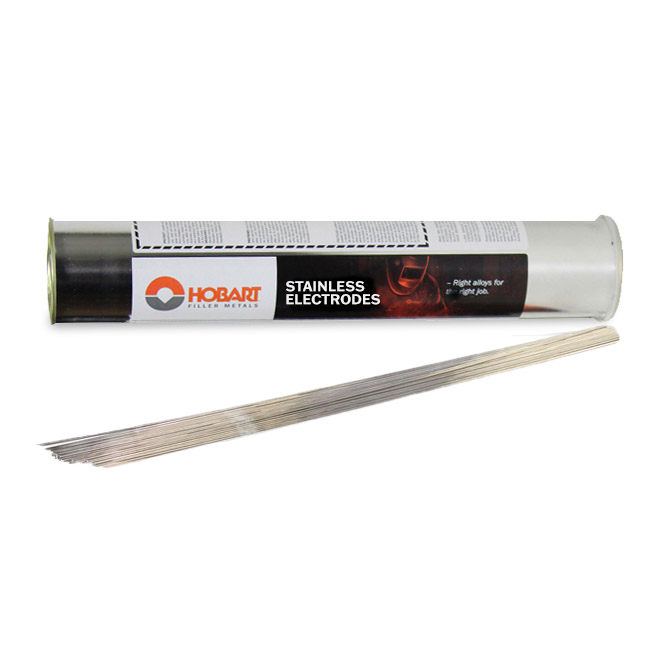
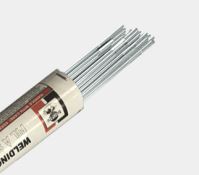
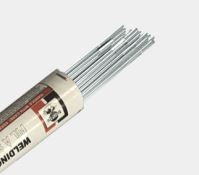
The Hobart Sterling AP 312 is a high-performance stainless steel stick electrode designed specifically for the most demanding maintenance and repair applications. Classified as an E312-16, this electrode features a duplex microstructure containing a high ferrite content (typically FN 50+), which provides exceptional resistance to hot cracking. This metallurgical advantage makes it the ideal choice for welding dissimilar metals, such as joining stainless steel to carbon steel, or for repairing high-carbon, low-alloy, and tool steels that are prone to cracking during the welding process.
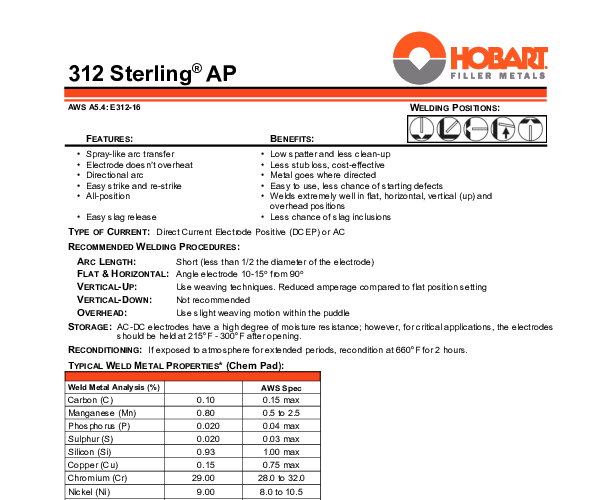
Engineered for versatility, the Sterling AP (All Position) delivers a stable, directional arc that is easy to control in flat, horizontal, vertical, and overhead positions. The rutile-based coating ensures smooth metal transfer with minimal spatter, resulting in high-quality weld deposits that require little post-weld grinding. The slag system is designed to be self-detaching in many applications, significantly reducing cleanup time and improving productivity in repair scenarios where time is critical.
With a tensile strength exceeding 120,000 psi, the Hobart Sterling AP 312 offers structural integrity well beyond standard mild steel electrodes. It serves as an excellent buffer layer for hardfacing applications and is capable of welding abrasion-resistant plates and manganese steels. Whether utilized in heavy equipment repair, tool and die maintenance, or general fabrication involving unknown steel grades, this electrode provides the reliability and mechanical properties necessary for durable, long-lasting repairs.
| Additional Information |
|---|
| Packaging Description:15lb can |
| AWS Spec :E312-16 |
| Diameter:3/32" |
| Grade:312 |
| Packaging:5lb tube |
| Weld Process:Stick |
| Polarity:AC or DC+ |
| Rod Type:Stick Electrode |
| Coating Type:Rutile |
| Welding Position:All Position |
| Tensile Strength:~120,000 PSI |
| Applications:Dissimilar Metals, Maintenance & Repair, Tool Steel |
| ----- new values below ---- |
| Rod Type:Stick Electrode |
| Coating Type:Rutile |
| Welding Position:All Position |
| Tensile Strength:120,000 PSI |
| Applications:Dissimilar Metals, Maintenance Repair, Tool Steel |
| Brand:Hobart |
| AWS Spec:E312-16 |
| Diameter:3/32" |
| Grade:312 |
| Packaging:5lb tube |
| Weld Process:Stick |
| Polarity:AC or DC+ |